At seventy-two, Misha Kopiec agreed, reluctantly, to speak on camera about his past. His testimony, now preserved in the archives of the United States Holocaust Memorial Museum, forms the foundation of this extraordinary and unflinching narrative.
The Outrage is the documented account of a Jewish boy raised to resist, a Polish army officer caught in the collapse of his country, and an eventual Holocaust survivor who rejects the comfort of moral simplifications
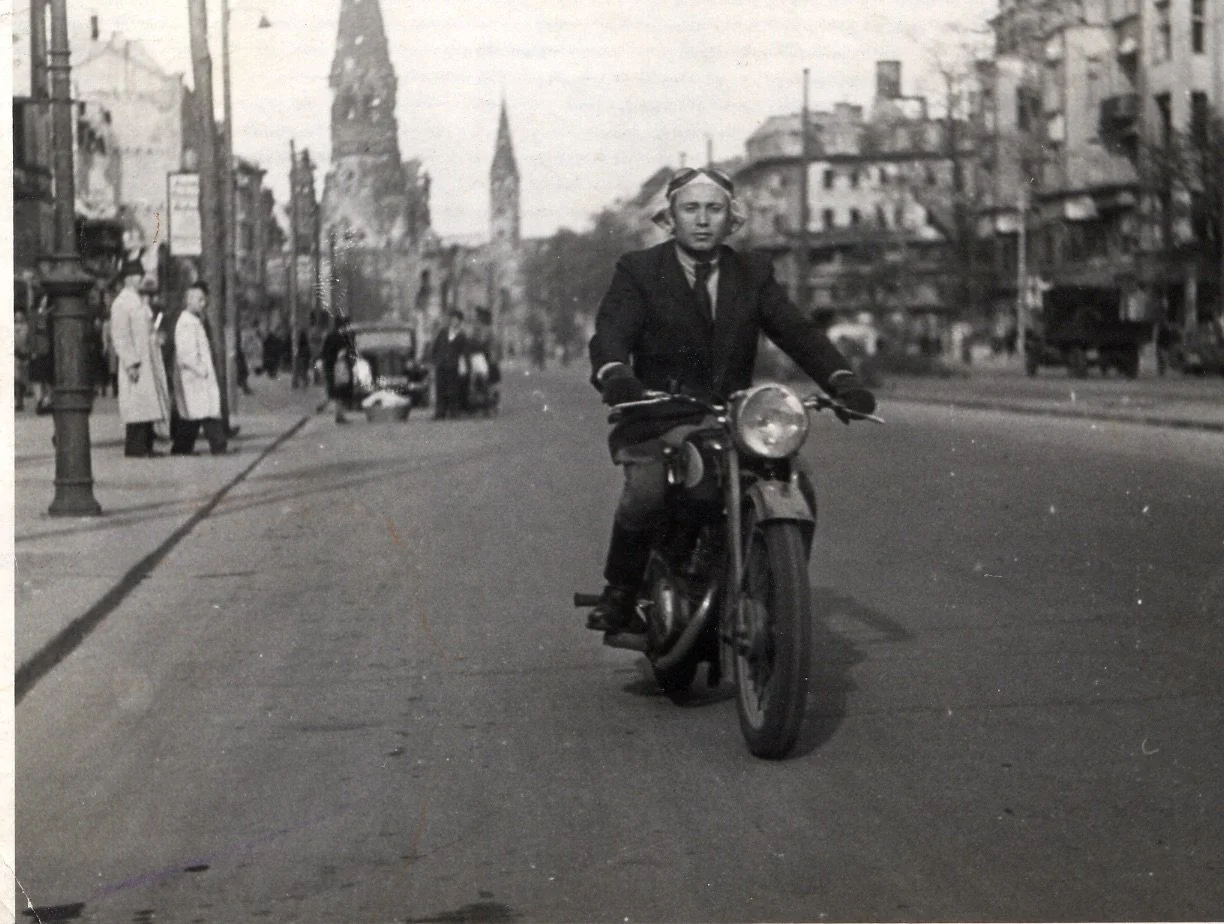
Inside the pages of The Outrage, you will find not memory alone, but verified history.
On September 1, 1939, Misha Kopiec stood on the German border as a Polish Army officer when the Nazi blitzkrieg ignited the war.
What followed was three years of combat, first as a Polish Army officer, then as a Soviet intelligence officer and operative. He escaped two German POW camps. He walked 1,000 kilometers alone through Nazi-held territory in the depths of the Russian winter.
Throughout his bloody journey, Misha never lost his faith in God - though he never accepted easy comfort from it either. He was careful to draw a distinction: what he lost, at his bleakest, was not faith in God but faith in the basic goodness of man. More than once, he faced a choice: act on the moral code he was raised with, even if it meant risking God's anger, or stand by. He chose to act, and to hope God would understand - accepting, always, that He might not. There were moments throughout his journey when he should have died and did not - and when asked directly, decades later, whether he believed God had saved him, his answer was not comfort. It was a question in return: "Are you saying He didn't?"